Exploring Closed Cell Insulation Benefits: A Deep Dive into Spray Foam Solutions

When it comes to making a home or building more energy-efficient and comfortable, insulation plays a crucial role. Among the many options available, closed cell insulation stands out for its impressive performance and durability. Today, I want to share what I’ve learned about this type of insulation, especially focusing on closed cell spray foam insulation, and why it might be the right choice for your next project.
Understanding Closed Cell Insulation Benefits
Closed cell insulation is a type of foam insulation that is denser and more rigid than its open cell counterpart. This density gives it several advantages that make it highly effective in both residential and commercial buildings.
One of the biggest benefits is its superior thermal resistance. Closed cell foam has a higher R-value per inch, meaning it provides better insulation with less material. This helps keep indoor temperatures stable, reducing heating and cooling costs significantly.
Another key advantage is its moisture resistance. Because the cells are tightly packed and closed, this foam acts as a barrier against water vapor and air infiltration. This can prevent mold growth and structural damage caused by moisture, which is especially important in climates with cold winters and humid summers.
Additionally, closed cell insulation adds structural strength to walls and roofs. Its rigidity helps reinforce the building envelope, making it more resistant to wind and other forces. This can be a real plus in areas prone to harsh weather.
Here are some quick highlights of closed cell insulation benefits:
High R-value per inch for excellent thermal performance
Acts as a moisture and air barrier
Adds structural integrity to buildings
Resistant to mold and mildew growth
Long-lasting and durable

How Closed Cell Spray Foam Insulation Works
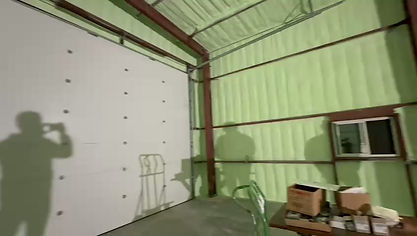
Closed cell spray foam insulation is applied as a liquid that expands and hardens into a solid foam. This expansion allows it to fill gaps, cracks, and hard-to-reach spaces, creating a seamless insulation layer.
The application process involves mixing two chemical components that react and expand rapidly. Once sprayed, the foam adheres tightly to surfaces, sealing off air leaks and preventing drafts. This airtight seal is a major reason why it improves energy efficiency so well.
Because it forms a continuous barrier, closed cell spray foam insulation also helps reduce noise transmission. This makes it a great choice for homes near busy roads or noisy environments.
One important thing to note is that this type of insulation requires professional installation. The chemicals need to be mixed and applied correctly to ensure safety and effectiveness. Hiring experienced installers ensures the foam cures properly and delivers the expected benefits.
If you want to learn more about the product itself, you can check out this closed cell spray foam insulation link for detailed information.

What are the downsides of closed cell spray foam?
While closed cell spray foam insulation offers many benefits, it’s important to consider some potential downsides before making a decision.
Cost is often the first concern. Closed cell foam is generally more expensive than traditional insulation materials like fiberglass or cellulose. The higher price reflects the material quality and the specialized installation process.
Another consideration is rigidity. Because the foam hardens into a solid, it can be less forgiving if building materials shift or settle over time. This means that if there is any structural movement, the foam could crack or separate, potentially reducing its effectiveness.
Closed cell spray foam is also not easily removed or replaced. If you need to access wiring or plumbing inside insulated walls, it can be challenging and costly to remove the foam.
Lastly, some people worry about the environmental impact. The chemicals used in spray foam can have a higher global warming potential compared to other insulation types. However, many manufacturers are working to develop more eco-friendly formulations.
Despite these downsides, many find that the long-term energy savings and comfort improvements outweigh the initial costs and concerns.
Practical Tips for Choosing and Installing Closed Cell Insulation
If you’re considering closed cell insulation for your home or project, here are some practical tips to help you get the best results:
Evaluate your needs carefully - Consider your climate, building type, and budget. Closed cell foam is especially beneficial in areas with extreme temperatures or moisture issues.
Hire certified professionals - Proper installation is key. Look for installers with experience and good reviews to ensure the job is done right.
Plan for ventilation - Because closed cell foam creates an airtight seal, make sure your building has adequate ventilation to maintain indoor air quality.
Check local building codes - Some regions have specific requirements for insulation types and fire safety. Make sure your project complies.
Consider combining insulation types - In some cases, using closed cell foam in combination with other insulation materials can optimize performance and cost.
By following these steps, you can maximize the benefits of closed cell insulation and enjoy a more comfortable, energy-efficient space.
Why Closed Cell Insulation is a Smart Investment
Investing in closed cell insulation is not just about immediate comfort; it’s about long-term savings and protection. The energy efficiency gains can lead to noticeable reductions in heating and cooling bills year after year.
Moreover, the moisture resistance helps protect your home’s structure, potentially saving you from costly repairs down the line. The added strength can also increase the overall durability of your building.
For homeowners and construction companies looking to build or renovate in Calgary and Edmonton, where weather conditions can be challenging, closed cell insulation offers a reliable solution. It helps maintain indoor comfort regardless of the season and supports sustainable building practices.
Choosing the right insulation is a key step toward creating a home or building that is both comfortable and cost-effective. Closed cell spray foam insulation is a powerful tool in achieving that goal.
If you want to explore more about how closed cell insulation can transform your space, consider reaching out to experts who specialize in spray foam solutions. Their knowledge and experience can guide you through the process and ensure you get the best results possible.


Comments